
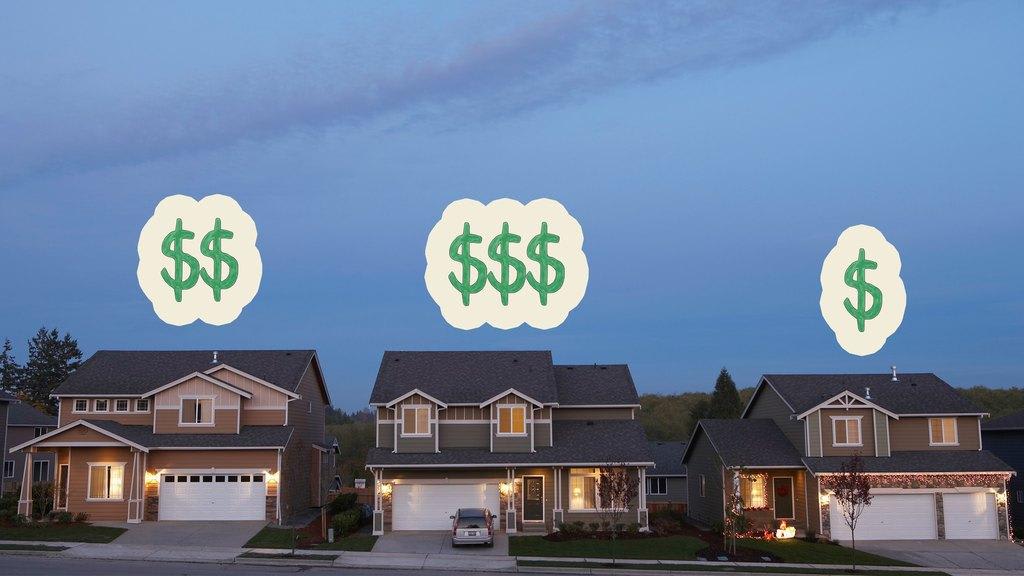

Two homes. Same street. Nearly identical.
One sold quickly and for more money. The other did not.
If real estate were just math, that would not happen. But real estate is not just math. It’s much, much more.
On the surface, this feels unfair. If real estate were purely a math problem, the results should be nearly identical. But real estate does not behave like a spreadsheet. It behaves like a market, and markets are driven just as much by psychology and timing as they are by numbers.
That is where the difference shows up. Let’s dive in.
Pricing Is a Positioning Decision, Not a Guess
Many sellers believe pricing is simply a matter of looking at nearby sales and picking a number that feels reasonable. Comparable sales matter, but they are only the starting point.
Effective pricing is about positioning a home in a way that attracts the most serious buyers at the right moment. Price it too high and buyers move on before ever stepping through the door. Price it too low and you may generate interest, but leave money behind. Price it correctly and you allow demand to work in your favor. I refer to this as the “sweet spot.”
This is why two homes that appear similar can start at different prices and end at very different results. One was positioned with a clear strategy. The other was priced based on optimism or outside opinions that did not reflect current buyer behavior.
Hope feels good. Strategy works better.
Buyers React Emotionally Before They Decide Logically
Buyers like to believe they are analytical, but most decisions are made emotionally first and justified later.
A home that feels clean, bright, and well cared for creates confidence. A home that feels dated, cluttered, or neglected creates hesitation, even if the bones are solid and the square footage is similar.
And, small details matter more than most sellers expect. Lighting, cleanliness, smell, paint colors, and curb appeal all shape the initial impression. One home may feel move-in ready while the other feels like a project. Buyers consistently pay a premium to avoid perceived work and uncertainty.
Did you notice how many times I’ve used the word “feels” so far in this article? That’s emotion, and it’s a huge driver in decision making.
This emotional response alone can account for thousands of dollars in perceived value.
The First Impression Often Sets the Ceiling
Now, the question: how do we hit a home run? The bottom line: the most important window in a listing’s life is the beginning.
A home that enters the market well prepared, priced appropriately, and marketed professionally tends to generate early interest. Early interest creates urgency. Urgency creates leverage. Leverage creates a win.
On the other hand, a weak launch creates doubt. When a home lingers, buyers begin to wonder what they are missing. Price reductions can help, but they rarely recreate the momentum that a strong debut would have produced. And don’t even get me started on cell phone photos and weak AI-written descriptions with key words that algorithms hate.
This is why two homes on the same street can have very different trajectories, even if they eventually land at similar price points. One built momentum early. The other spent time trying to recover it.
Timing Is More Than “Good Market” or “Bad Market”
Even within the same overall market, timing still matters.
Buyer demand shifts constantly based on interest rate movement, seasonal patterns, competing inventory, and even local or national news. A home that hits the market when buyers are actively searching can benefit from attention and competition. Another home, listed just weeks later, may face a more distracted or cautious buyer pool.
These timing differences are subtle, but they are real. They help explain why outcomes vary even when everything else appears equal. Of course, this varies market to market, but the fact remains that there are a number of factors that make up what we refer to as “the market.”
Negotiation Is Where Results Are Locked In
Much of what determines a final sales price happens behind the scenes, and frankly, can be a little under-appreciated.
How offers are presented, how counteroffers are structured, how inspection findings are addressed, and how momentum is maintained all influence the bottom line. Two sellers can receive similar offers, yet one walks away with better terms simply because the negotiation was handled with intention instead of reaction.
This part of the process is not visible in public data, but it has a direct impact on results. I’ll also be the first to say that “negotiation” as we like to think of it as depicted on TV is mostly non-existent in real estate. It’s more of relational conversation geared towards a win-win agreement between all parties, and less of an attempt to “win the lottery.”
Execution Is the Common Thread
Most sellers want the same outcome. They want a smooth sale, strong pricing, and as little stress as possible.
The difference is not desire. It is execution.
Execution shows up in preparation, pricing, marketing, timing, and negotiation. When those pieces work together, results tend to follow. When they do not, even a good home can underperform.
That is why two homes on the same street can end up telling very different stories. Experience wins the day here; as execution just doesn’t happen on it’s own. I think you might be shocked to learn that a ton of real estate agents have been “winging it” for years, despite their constant, overwhelming social presence depicting otherwise.
Final Thought
When someone says, “My neighbor’s house sold for more than mine and I do not understand why,” the answer is rarely luck.
More often, it comes down to strategy, presentation, timing, and execution.
If you are thinking about selling, or simply trying to understand how today’s market might treat your home, clarity starts with a conversation, not a guess.
No pressure. No obligation. Just information. Let’s chat - call, text, email or send me a DM anytime.