
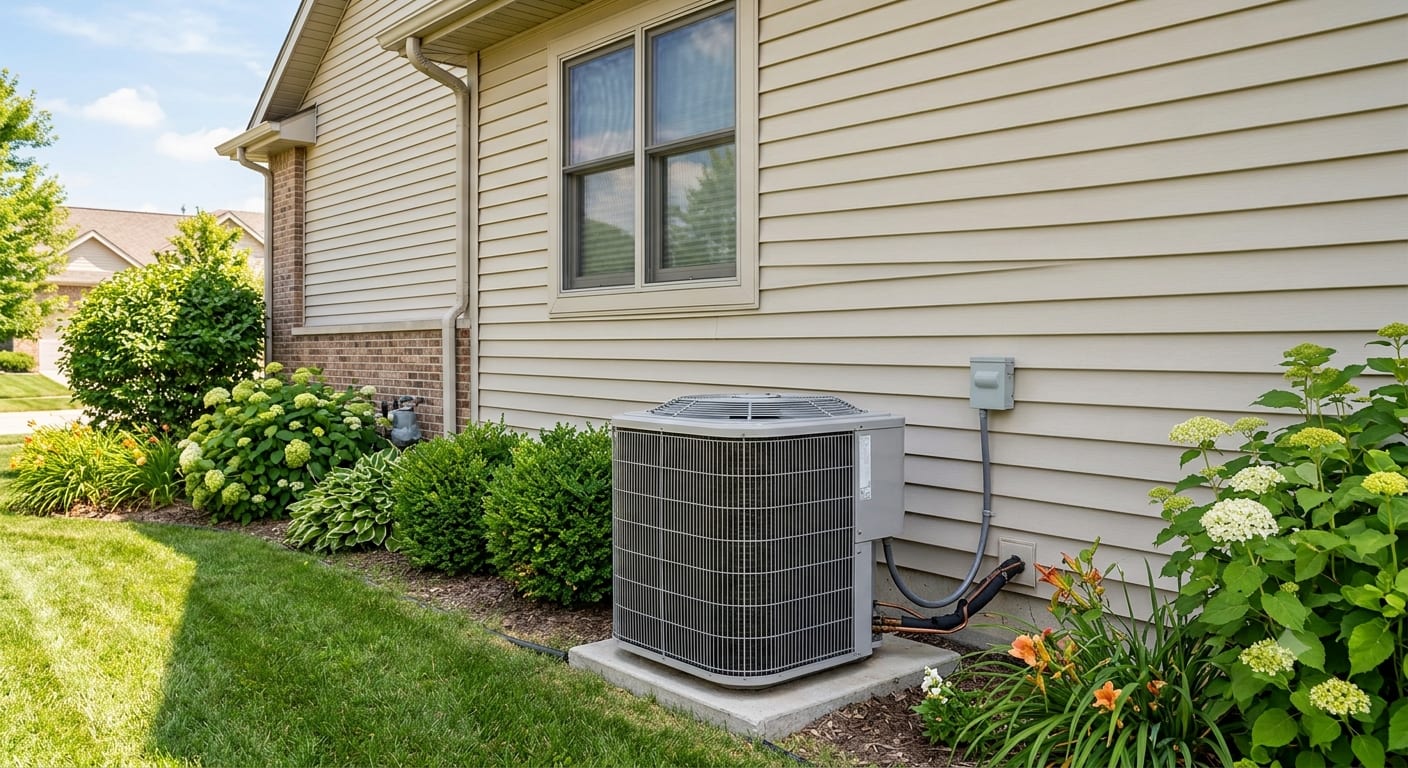

We are right in the thick of a classic summer heat wave. Walk outside at 3:00 PM, and you can hear a steady, neighborhood-wide hum of air conditioning units working overtime.
When temperatures climb into the 90s and triple digits, your AC isn't just a luxury - it’s a lifeline. But that extra strain means systems are breaking down at record rates, and HVAC technicians are booked out for days.
To keep your home comfortable and protect your wallet, here is a practical guide to optimizing your AC right now. We will cover the basic checks, bust a few expensive myths, and highlight a couple of simple fixes that might surprise you. NOTE: I am not an AC professional, but I've certainly learned a ton through my years of homeownership and being a busy REALTOR. So - I hope this is helpful.
Let's get started.
The Essentials: Give Your AC Room to Breathe
Before diving into the mechanics, let’s start with the quick, high-impact basics. Your air conditioner works by moving air and transferring heat. If anything blocks that airflow, the system chokes.
Swap the Filter Regularly: A dusty, clogged filter forces your system to work twice as hard to push air through the house. During a peak summer heat wave, check your filter every 30 days. At a minimum, set a calendar reminder for quarterly filter changes so you don't have to try to remember the last time you swapped a filter.
Clear the Exterior Unit: Your outdoor condenser needs a clear perimeter to dump the heat it pulled from inside your home. Cut back weeds, tall grass, and shrubs to leave at least a two-foot open radius around the unit.
Keep Your Vents Open: It is a common misconception that closing vents in empty rooms saves energy. Modern central air systems are designed for balanced airflow. Closing vents creates artificial pressure in the ductwork, which can actually cause the system to freeze up or overwork.
All of the above works to simply help your AC breathe, which is essential for efficient operation.
Myth-Busting: The Truth About Your Thermostat
This is an ongoing debate within our household: what's the best practice for the thermostat? There are a few "common sense" habits that actually cost homeowners hundreds of dollars a year in utility bills and premature equipment failure. Now, we're going to have to talk a little science.
Myth 1: "Cranking the thermostat down to 60°F cools the house faster."
The Reality: An air conditioner operates at exactly one speed: 100% full blast.
Your thermostat isn't a gas pedal; it’s really a simple switch. Whether you set it to 72°F or 55°F, the air coming out of your vents is the exact same temperature.
Setting it to an impossibly low number won't save you a single minute of cooling time. Instead, it forces the system to run continuously without a break, causing it to overheat, short-cycle, or completely freeze the evaporator coils.
Pro Tip: On extreme days, try to keep the thermostat set between 75°F and 78°F. A standard residential system is only designed to cool a home down 15 to 20°F lower than the outdoor temperature.
Myth 2: "It takes more energy to cool a hot house down than to leave the AC running all day."
This is the argument that I lost within our household. I had presumed that maintaining a constant temp would be "easier" than not. Something about "thermodynamics." Anyway...
The Reality: Heat always moves toward cold. The larger the temperature difference between the blazing outdoors and your chilled indoors, the faster heat forces its way through your walls and windows.
If you leave your AC at a crisp 70°F all day while you are at work, your house absorbs heat at a maximum rate, forcing the AC to kick on and off dozens of times during the hottest hours of the afternoon. Letting the house warm up a bit while you're away slows down this heat transfer.
Yes, your AC will run for a sustained block of time when you get home, but running continuously for one solid hour uses significantly less energy and causes far less mechanical wear than starting and stopping 15 separate times. Starting up is the most stressful part of an AC motor's life.
Two Hidden Culprits Most Homeowners Miss
If you want to take your maintenance a step further, keep an eye on these two frequently overlooked areas:
1. The Flaking Foam Pipe (The Home Inspection Classic)
If you walk outside to your unit, you will see a thick copper pipe running from the house to the outdoor AC. It should be wrapped in a black, foam insulation. Over time, weed-whackers, weather, and UV rays eat this foam away, leaving bare copper exposed to the sun.
This is one of the most common "ding" items on a home buyer's inspection report. It signals to buyers and inspectors that routine maintenance has been neglected or at least ignored.
More importantly, it wastes energy. That exposed pipe carries cold refrigerant back to the compressor; if it sits in the blazing sun absorbing heat, your AC has to work harder to do its job.
The Fix: You can buy a six-foot piece of foam pipe insulation at a local hardware store for less than $10. Slide it over the bare copper and secure it with weather-resistant zip ties. It takes five minutes and instantly protects your system's efficiency.
2. The Mystery Shutdown (The Algae Blockage)
As your AC removes humidity from the air, that water drips into a plastic drain line. Over the summer, algae and sludge can grow inside that pipe and clog it completely.
To protect your home from water damage, modern systems feature a condensate float switch. If the drain line clogs, the water rises, lifts a tiny plastic float, and instantly cuts power to the entire system to prevent a flood. Your thermostat screen might go totally blank, leaving you fearing a multi-thousand-dollar breakdown.
The Fix: Before you panic and pay an emergency weekend service fee, check the drain pan near your indoor unit. If it's full of water, you likely have a clog. Clearing the line with a wet/dry vac allows the water to drain, resets the switch, and turns your AC back on for free. Pouring a cup of regular white vinegar down the drain line access T-pipe once a month during the summer keeps that algae from growing in the first place.
True Peace of Mind: Consistent Maintenance
While these DIY steps are fantastic for surviving a heat wave, the absolute best way to ensure your system never fails you when you need it most is consistent, professional oversight.
Think of your HVAC system like a vehicle. You wouldn't drive a car for years without an oil change and then expect it to handle a grueling cross-country road trip across the desert.
I highly recommend is to build a habit of bi-annual professional checkups:
Spring Maintenance Check: Prepares the system for the brutal, high-demand summer months by checking refrigerant levels, testing electrical components, and deep cleaning the internal coils.
Fall Maintenance Check: Prepares the furnace or heating system for winter, ensuring safety mechanisms work properly and the heat kicks on reliably when the first freeze hits.
Investing a small amount of time in preventative maintenance twice a year saves thousands of dollars in emergency repairs, keeps your utility bills predictable, and ensures your home remains a comfortable sanctuary all year long.