
Kansas City Buyer Red Flags: 9 Charming Old-Home Details to Inspect
Kansas City Buyer Red Flags: 9 Charming Old-Home Details to Inspect
There is something undeniably magnetic about an older home in Kansas City. Original millwork, arched doorways, leaded glass, built-ins, and well-worn brick facades can make a property feel rich with character before you even reach the front steps. But charm has a way of softening a buyer’s guard, and the details that make an old house memorable can also hide expensive surprises. A thoughtful walk-through is not about ruining the romance; it is about making sure the story you are buying does not come with a costly final chapter.
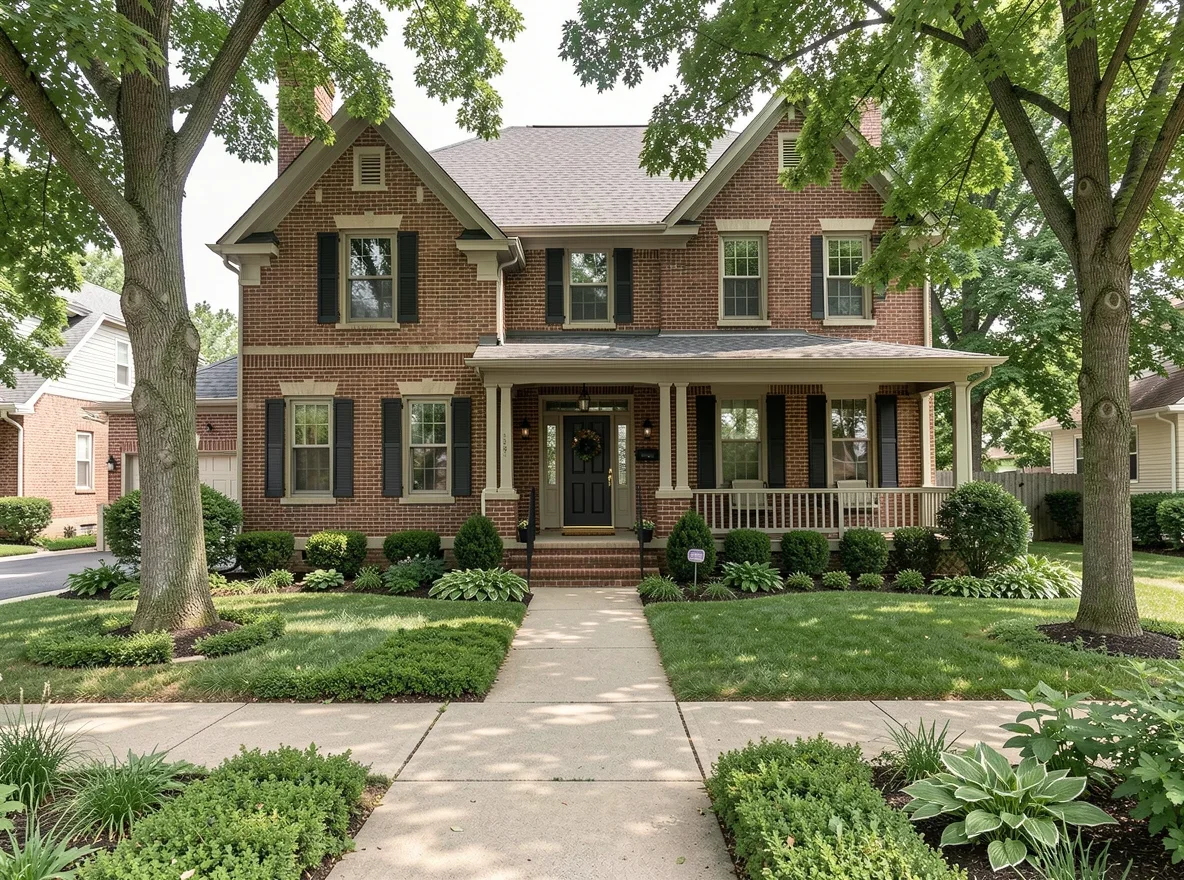
Start with the foundation and drainage. Old homes settle, and not every hairline crack is a crisis, but stair-step brick cracking, sloping floors, doors that refuse to latch, and signs of chronic water intrusion deserve a closer look. In neighborhoods with mature landscaping and long-established lots, improper grading can quietly send water toward the house for years. A basement that smells damp, shows fresh paint in isolated patches, or has efflorescence on the walls may be telling you more than the listing ever will.
Next, look up at the roofline and chimney. A handsome slate-look roof, decorative chimney stack, or ornate gutter profile can distract from active wear. Missing flashing, soft roof decking, chimney mortar deterioration, and poorly vented attics can lead to leaks that damage insulation, framing, and plaster. If the home has multiple additions from different eras, pay attention to the transitions where old and new roof sections meet; those junctions often become weak points over time.
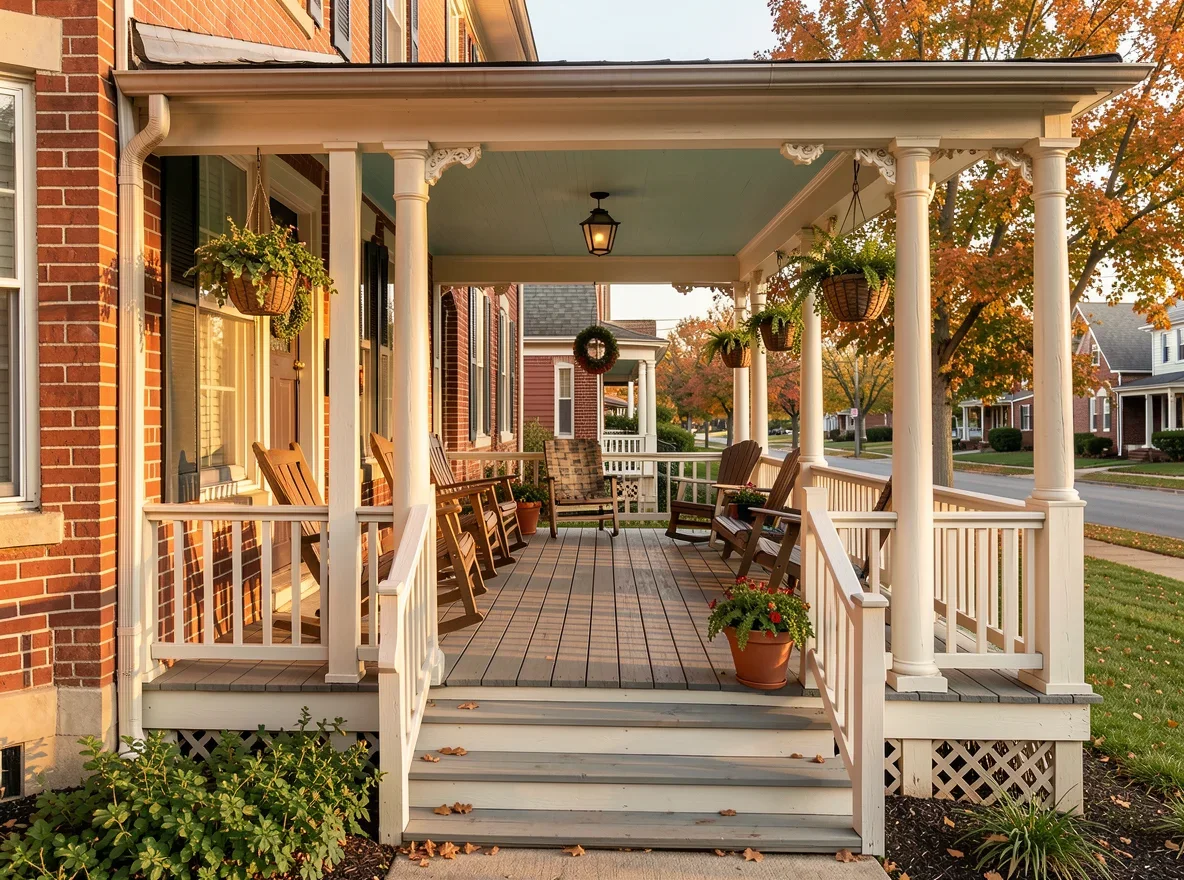
Windows and wood trim are another classic old-home trap. Original windows can be beautiful and worth preserving, but you want to know whether they operate, whether glazing and sashes are intact, and whether surrounding wood shows rot. Thick layers of paint can hide deterioration just as easily as they preserve details. Exterior trim, soffits, and porch columns often reveal deferred maintenance long before major interior defects become visible.
Inside the House, Beauty Should Still Function
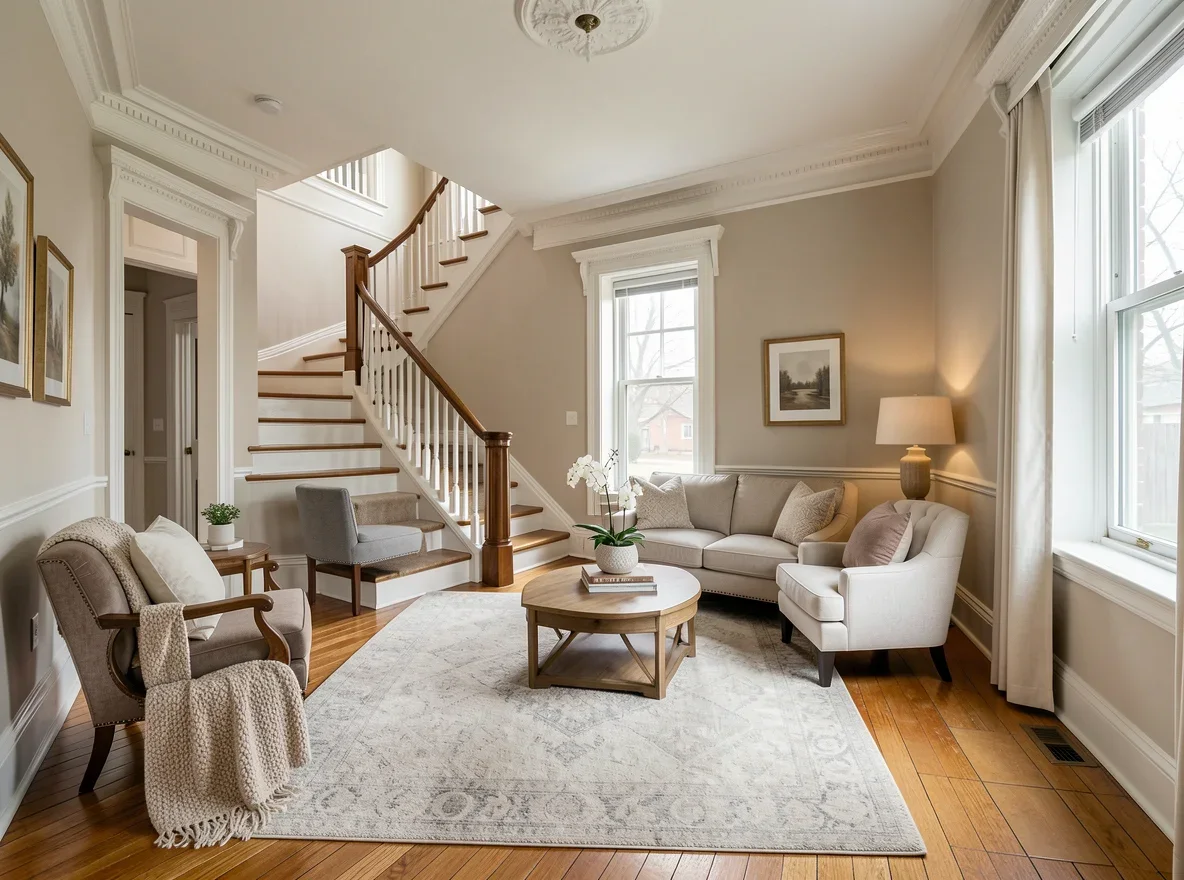
Once indoors, buyers are often won over by hardwood floors, pocket doors, intricate stair rails, and plaster walls. Those features are part of what makes Kansas City’s older housing stock so appealing. Still, aesthetic character should never be confused with system reliability. The prettiest dining room in the world does not cancel out outdated wiring or undersized service panels.
Red flag number four is the electrical system. Older homes may still have knob-and-tube remnants, ungrounded outlets, double-tapped breakers, or creative DIY updates from owners across decades. If you see a mix of old and new wiring methods, extension cords doing permanent-duty work, or too few outlets for modern living, plan for more evaluation. Insurance carriers and lenders can also take a harder look at certain outdated systems, which makes this more than a convenience issue.
Number five is plumbing age and material. Galvanized pipes, aging cast iron drain lines, and hidden leaks under sinks or in basement ceilings can become major budget items after closing. Low water pressure, slow drains, and evidence of patched plumbing repairs are all worth noting. In old homes, one upgraded bathroom does not mean the entire plumbing system has been modernized; often, the polished parts are only what you can see.
Number six is uneven floors and what they actually mean. Some old-house slope is common and even expected, but buyers should still ask whether movement is historic and stable or active and worsening. Bring a level if needed. A charming upstairs bedroom with a slight dip may be harmless, but dramatic movement near load-bearing walls, fireplace masses, or former additions deserves professional attention.
The Details Buyers Often Miss First
Red flag seven: signs of moisture around bathrooms, kitchens, and basements. In older homes, repeated small leaks can do more damage than a single dramatic event. Soft subfloors, cracked caulk, stained ceilings, musty closets, and peeling paint near windows may point to ongoing humidity or drainage issues. Moisture also invites mold concerns and can accelerate wood rot behind finished surfaces.
Red flag eight is old-house insulation and efficiency. High ceilings and original windows can be lovely, but comfort matters. Ask about attic insulation, wall insulation, ductwork condition, and the age of the HVAC system. Some vintage homes are surprisingly efficient after careful upgrades, while others become expensive to heat and cool because air leaks have never been addressed. Utility costs may not show up on a showing, but they certainly show up after move-in.
Red flag nine is the “updated but not integrated” renovation. A home may show beautifully with a modern kitchen, fresh tile, and stylish lighting, but old-home flips can prioritize appearance over long-term performance. Look at the transitions. Are floors level from room to room? Were permits pulled for major work? Do new finishes cover clues like foundation cracking, moisture staining, or improperly altered walls? In many older homes, the issue is not that updates happened, but that they happened incompletely or without respect for the structure underneath.
Kansas City buyers should also think beyond the house itself. Neighborhood character, lot drainage, tree roots, alley access, parking, and school proximity all affect daily life and resale value. Many older neighborhoods offer exceptional location benefits, from quick access to cultural attractions and local gathering spots to established streetscapes that newer developments cannot easily replicate. That said, the strongest purchase decisions balance emotional appeal with practical due diligence.
An older home can absolutely be the right move for a buyer who appreciates craftsmanship and understands maintenance. The key is not to avoid age, but to inspect it intelligently. With the right inspections, a realistic repair budget, and a sharp eye for what is truly cosmetic versus structural or systemic, you can separate authentic charm from expensive trouble. When a classic home passes that test, it is not just pretty—it is a confident purchase.