
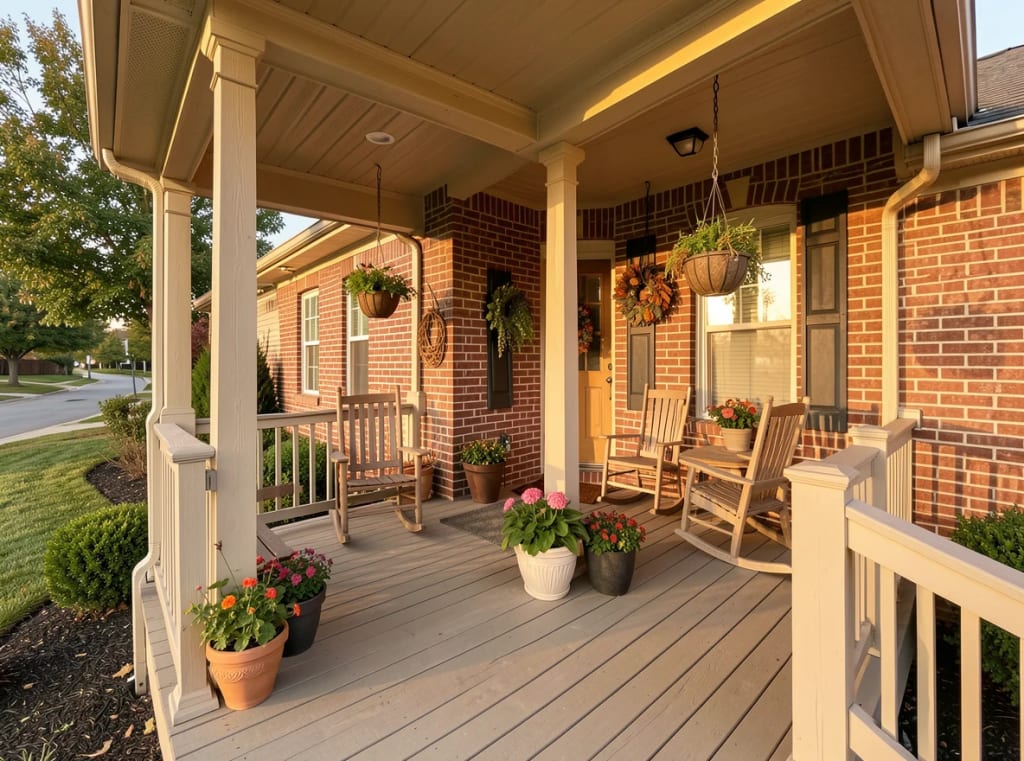
7 Springfield Home-Buying Moves That Keep You Calm Under $300K
7 Home-Buying Moves That Keep You Calm Under $300K in Springfield
Buying a home at an approachable price point can feel exciting one minute and overwhelming the next. In Springfield, Missouri, where value still exists for first-time buyers, downsizers, and budget-conscious households, staying calm is often the difference between making a smart move and rushing into the wrong one. A thoughtful plan helps you sort through listings, neighborhoods, financing, and inspection details without letting stress drive the process.
That matters even more in the under-$300K range, where attractive homes can draw quick attention. With the right preparation, though, buyers can avoid decision fatigue and focus on what really counts: monthly affordability, location fit, future resale potential, and the condition of the property itself. These seven moves are designed to keep the process grounded, practical, and far more manageable.
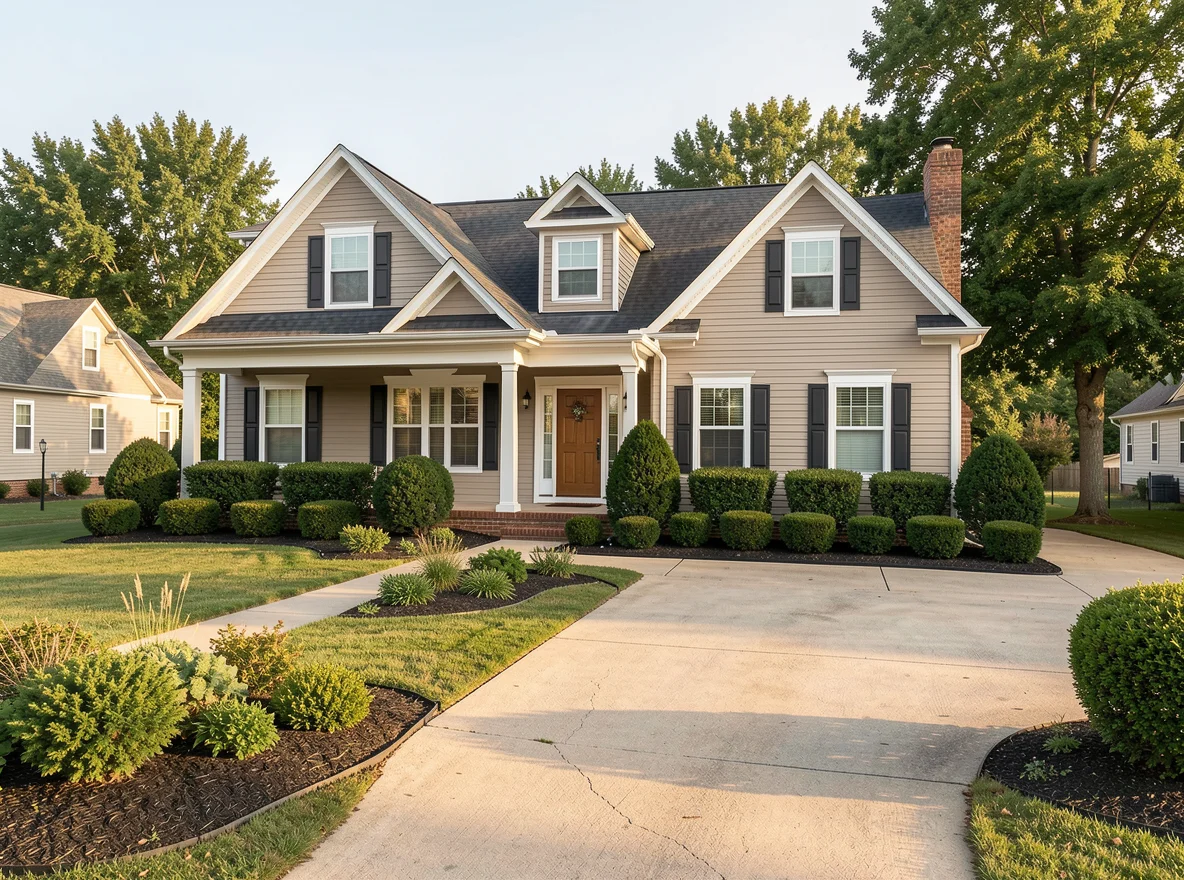
1. Set your real budget before you fall in love with a listing. The best starting point is not the highest number a lender says you can borrow, but the payment you can comfortably live with. Think beyond principal and interest to include taxes, insurance, utilities, maintenance, and the inevitable first-year purchases like blinds, tools, or a mower. In Springfield, many buyers can still find options under $300K, but the monthly cost can vary dramatically depending on age of the home, updates, and location.
2. Get fully pre-approved, not just pre-qualified. A real pre-approval helps calm nerves because it replaces guesswork with clarity. You will know your range, understand your loan options, and move faster when the right home appears. Sellers also take your offer more seriously when your financing is already organized, which can be especially important in competitive pockets of the Springfield market.
3. Make a needs-versus-wants list that actually reflects your lifestyle. It sounds simple, but this step keeps buyers from getting sidetracked by cosmetic details. Separate the essentials, like bedroom count, commute time, school preferences, or a fenced yard, from the nice-to-haves, like quartz counters or a perfect paint color. Springfield offers a broad mix of homes, from established neighborhoods with mature trees to newer areas with more modern layouts, so knowing your priorities helps you compare properties with confidence instead of emotion.
Look Beyond the Listing Photos
One of the calmest moves a buyer can make is learning to see past staging and online presentation. A home with polished photos may still need a new roof, HVAC work, or foundation attention, while a less glamorous listing might have solid bones and long-term value. In this price range, condition matters immensely because repair costs can quickly erase what first looked like a bargain.
4. Study neighborhoods as carefully as you study houses. A home purchase is also a lifestyle choice. Buyers in Springfield often weigh access to parks, major roads, medical services, local dining, recreation, and schools alongside the home itself. Depending on the part of town, you may find quiet residential streets, convenient shopping corridors, established community feel, or easier access to Missouri State University and major employers. Spend time driving the area at different times of day and picture your routines there, not just your closing day excitement.
5. Keep your offer strategy disciplined. In an affordable segment, it is easy to react emotionally if a home seems perfect. But calm buyers decide in advance how high they are willing to go, which contingencies they need, and what repairs or seller concessions matter most. That structure protects you from overpaying or waiving something important just to win. A measured approach can still be competitive, especially when guided by local market knowledge and recent comparable sales.
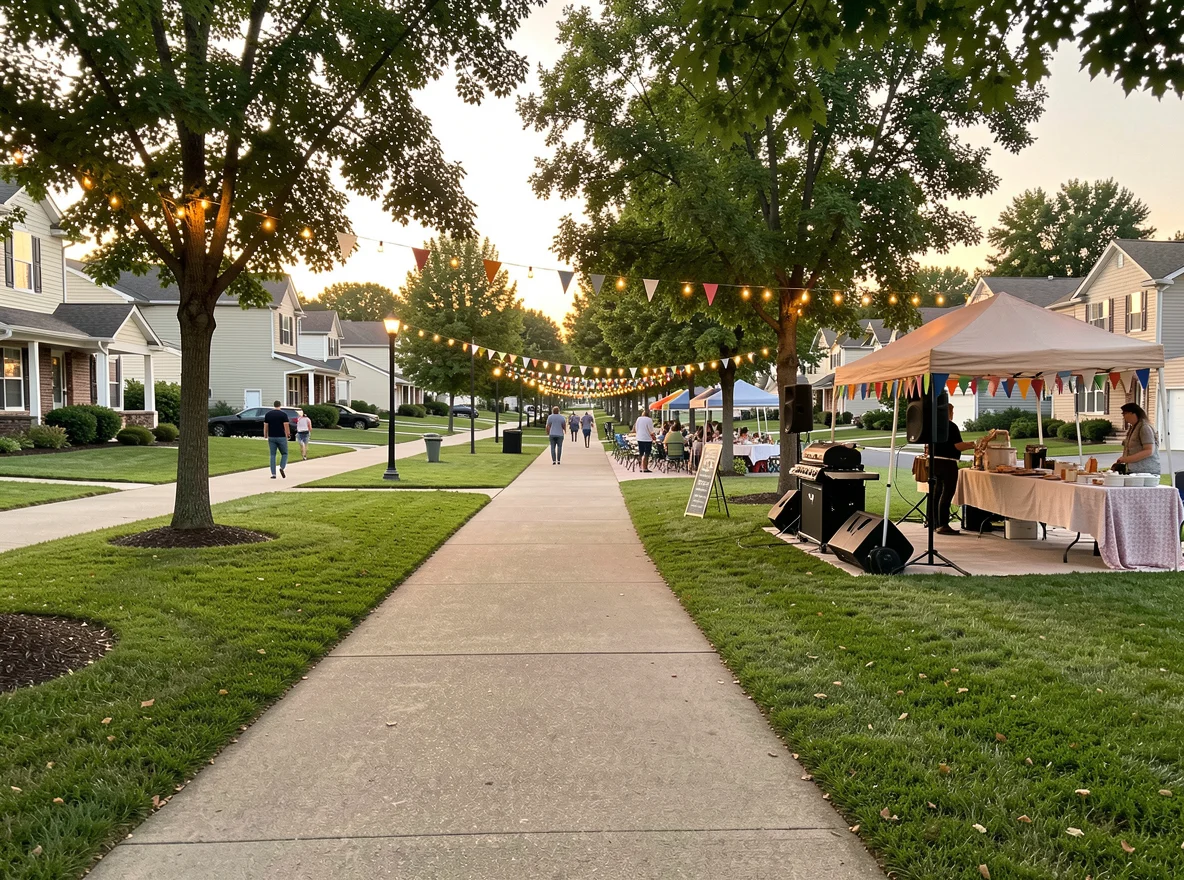
Springfield’s appeal comes from more than price alone. The city offers a comfortable blend of convenience and livability, with everyday amenities, outdoor recreation, and a strong sense of community. From trails and green spaces to sports, arts venues, and family-friendly activities, the area gives buyers a lot to enjoy without the pace or pricing pressure of much larger metros. That broader value is worth remembering when you evaluate where to plant roots.
6. Never skip inspections just to reduce stress in the moment. It may seem faster to remove hurdles, but real peace of mind comes from understanding what you are buying. An inspection can reveal electrical issues, drainage concerns, aging systems, or deferred maintenance that affect both safety and budget. Even if the report turns up manageable problems, you gain leverage for negotiations and a more realistic picture of ownership costs.
Use a Process That Protects Your Peace of Mind
The under-$300K search works best when buyers have a steady rhythm: review new listings, tour selectively, compare homes to the original plan, and avoid panic when one property slips away. There will always be another opportunity, and staying patient usually leads to a better decision. This is where a responsive, full-time real estate professional can make a major difference, helping you move quickly when it counts while keeping the overall strategy level-headed.
7. Choose guidance that is local, accessible, and honest. In a market like Springfield, local insight helps buyers understand which neighborhoods hold value, where hidden opportunities may exist, and how to spot a listing that is truly priced well. Clear communication matters too. Buyers benefit from an agent who answers questions promptly, explains the tradeoffs, and advocates for their best interests rather than pushing for a rushed sale.

That kind of support becomes especially valuable when inventory shifts, inspection issues appear, or negotiations get tense. Buyers often say the experience feels far less stressful when they have someone patient, organized, and knowledgeable helping them sort through options. Strong local guidance can turn a chaotic search into a clear sequence of smart decisions.
For anyone hoping to buy under $300K, Springfield remains a market where preparation still pays off. Affordable opportunities exist, but the calmest buyers are the ones who know their numbers, respect the inspection process, stay realistic about condition, and choose a neighborhood that fits daily life. With the right plan and the right advocate, the path to homeownership can feel not only possible, but surprisingly steady from the first showing to the closing table.